 QCSP
QCSP 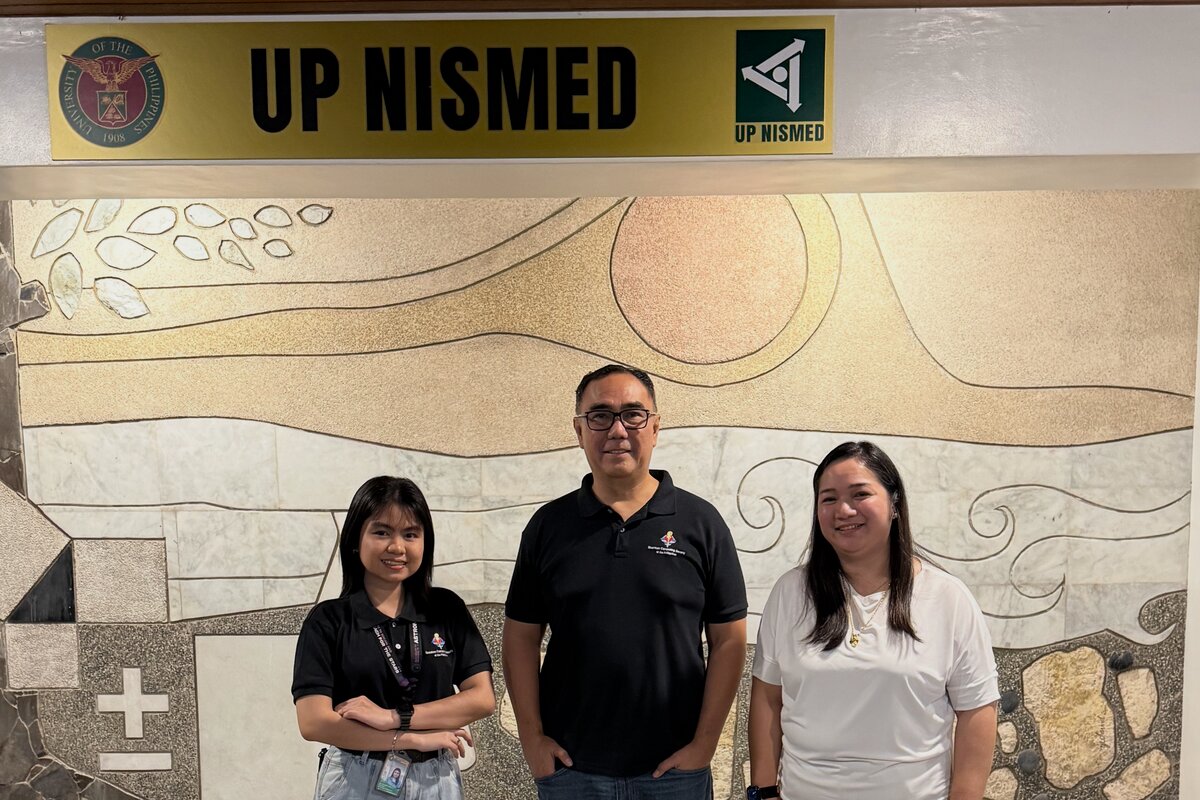
QUEZON CITY, Philippines — The University of the Philippines National Institute for Science and Mathematics Education Development (UP NISMED) is laying the groundwork to introduce quantum computing to Philippine basic and secondary education, following exploratory discussions with the Quantum Computing Society of the Philippines (QCSP).
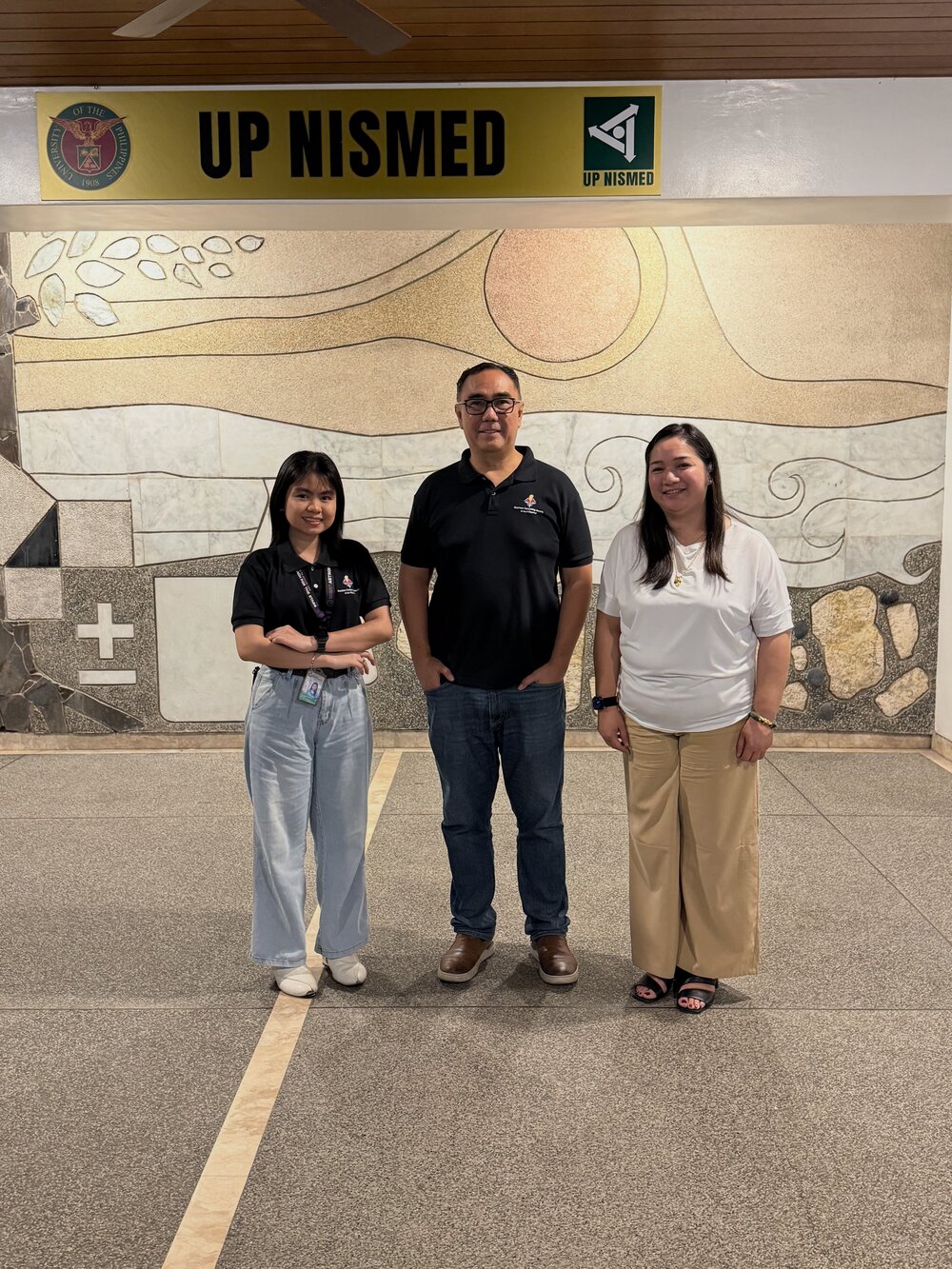
In a collaborative meeting on October 1, 2026 at the UP NISMED complex in Diliman, UP NISMED Director Dr. Sheryl Lyn C. Monterola and QCSP President Bobby Corpus, Jr. discussed strategies to bring advanced computational concepts into high school classrooms. The initiative aims to build teacher capability and design innovative instructional materials to prepare Filipino learners for emerging global technologies.
 |
|---|
| At the UP NISMED complex in Diliman, Quezon City. |
Capacity Building for Specialists
As an immediate first step, UP NISMED plans to host a specialized, one-day training workshop in late November for the institute’s Science and Mathematics Education Specialists.
The planned workshop will feature foundational lectures in the morning, followed by an afternoon hands-on session introducing quantum programming using Python. Select educators from the UP Integrated School (UPIS), the UP College of Education, and neighboring secondary institutions are also being eyed to join the training.
“Our specialists need to understand quantum computing firsthand so we can collectively design appropriate learning pathways and curricula,” Dr. Monterola noted during the discussion, emphasizing NISMED’s mandate to bridge frontier science with classroom pedagogy.
Piloting Electives via UPIS
The initiative follows UP NISMED’s proven pipeline for curriculum innovation: developing modular elective packages, piloting them at UPIS, and subsequently refining them for wider adoption by the Department of Education (DepEd).
The institute has previously deployed similar programs in additive manufacturing and 3D printing with the DOST Advanced Manufacturing Center (AMCen), mobile application design using MIT App Inventor, and artificial intelligence literacy alongside MIT RAISE and the Day of AI initiative. Both parties aim to co-develop a dedicated Quantum Computing elective package targeted for piloting at UPIS ahead of the upcoming academic year.
Broadening Public Engagement
Beyond formal coursework, the discussions explored several platforms to spark public interest in quantum technologies. Dr. Monterola invited Corpus to deliver public lectures during UP NISMED’s upcoming anniversary open house celebration in November, as well as to feature in community outreach channels such as the Kasama Teachers Community webinar series and the institute’s award-winning radio program, Go Teacher Go, on DZUP.
The proposed partnership marks a forward-looking milestone for Philippine STEM education, ensuring that national educators and high school students gain early exposure to the principles and applications shaping the future of computation.
 QCSP Joins Quantum Technology and Computing Ideathon at 1st R-IT Congress: Region V in Legazpi