 QCSP

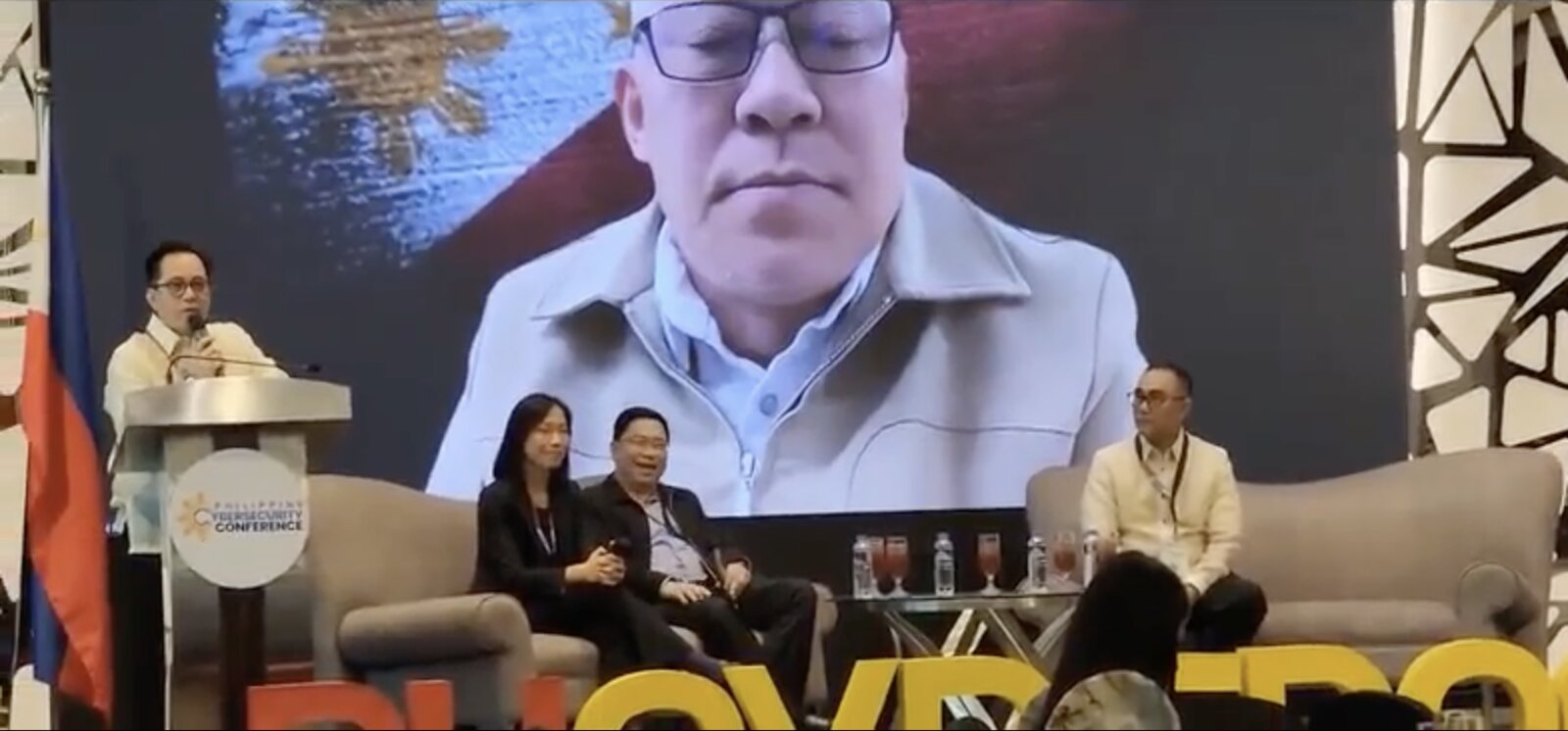
MANILA, Philippines — Quantum technology was on the agenda at the Philippine Cybersecurity Conference 2026, organized by the Cybersecurity Bureau of the Department of Information and Communications Technology (DICT) and held on October 21, 2026 at the Sheraton Manila Bay, where Quantum Computing Society of the Philippines (QCSP) President Bobby O. Corpus Jr. joined Panel 2: The Quantum Countdown.
 |
|---|
| Panel 2, “The Quantum Countdown,” at the Philippine Cybersecurity Conference 2026, Sheraton Manila Bay. |
The panel was moderated by Philip Casanova, Partner at SGV & Co./EY Philippines and President of ISC2 Philippines. It brought together voices from the quantum community, defense, finance, and the cybersecurity industry.
The Panelists
| Panelist | Organization |
|---|---|
| Bobby Corpus | President, Quantum Computing Society of the Philippines |
| Col. Roland Ong INF (MNSA) PA RES | Head, Cybersecurity Architecture, Asperiq; Army Reservist, Philippine Army |
| Ms. Vivian Ma | Co-founder and Chief Commercial Officer (CCO), CequreX Taiwan |
| Carlos Tengkiat | Chief Information Officer (CIO), Land Bank of the Philippines |
Each panelist was expected to bring a distinct perspective. Corpus was set to explain the science and timeline of quantum technology in plain terms and speak to local research and talent. Col. Ong was expected to focus on architecture and migration planning, including defense and legacy systems, and Ms. Ma on industry solutions and regional cooperation on post-quantum security.
The Discussion
The conversation opened with the most basic question for a cybersecurity audience: What is quantum? Corpus answered first, and the moderator asked him to:
- explain quantum to a non-technical audience in plain language; and
- describe the difference between quantum computing, quantum communications, and quantum sensing, with a simple example of each.
The session closed with a question put to every panelist: What does the quantum future look like?
Quantum in Brief
For readers new to the topic, the three areas in the opening question are distinct:
- Quantum computing uses qubits, which can exist in superpositions of states, to tackle certain problems, such as simulating molecules or breaking some of today’s public-key cryptography, that are impractical for classical computers.
- Quantum communications uses quantum properties to secure the exchange of information. Quantum key distribution is the best-known example.
- Quantum sensing uses the sensitivity of quantum systems to measure quantities such as time, magnetic fields, and gravity with extraordinary precision.
Why It Matters
Putting a quantum panel in front of a cybersecurity audience reflects a growing recognition that quantum computing is a security planning issue today, not only a research topic. Sufficiently powerful quantum computers could break widely used public-key cryptography, and encrypted data captured now could be decrypted later, so organizations are being urged to take stock of their cryptography and plan their migration early.
QCSP has been working on this with government, regulators, and industry. Earlier this year it convened the Quantum Readiness Workshop at the Development Academy of the Philippines and brought a quantum readiness workshop to the Bangko Sentral ng Pilipinas.
QCSP thanks OIC Undersecretary Rodil Aniban and the DICT Cybersecurity Bureau for inviting QCSP to the conference, and thanks Philip Casanova, Col. Roland Ong, Ms. Vivian Ma, and Carlos Tengkiat for taking part in the discussion.
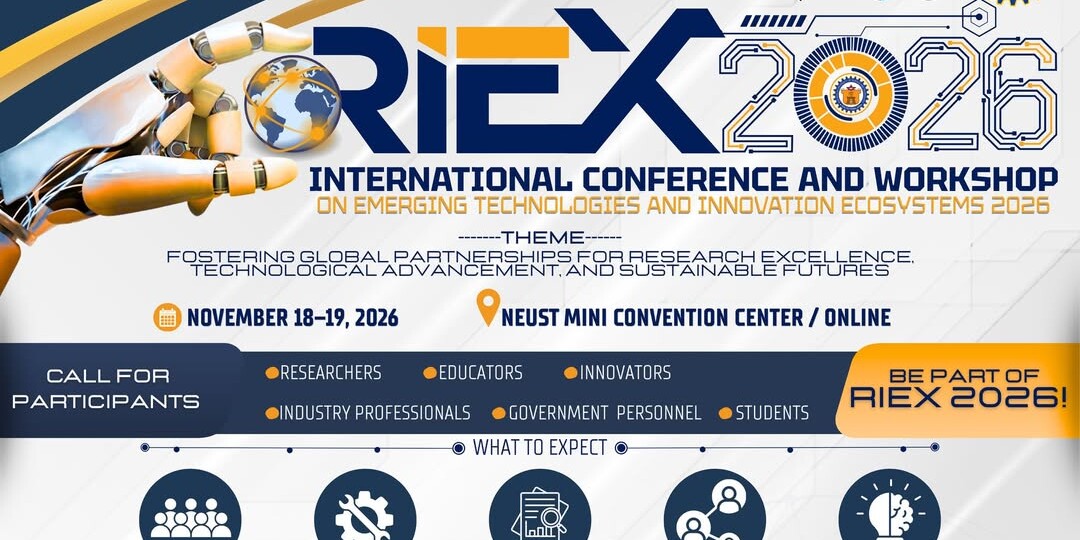 RIEx 2026 Calls Researchers, Educators, and Innovators to NEUST on November 18–19